

Check it out! I'm one step closer now to becoming a certified EMT-Basic!
July 24th 2011 I will be a state and nationally certified EMT-Basic!
Yay!

1st Degree Burn:
2nd Degree Burn:
3rd Degree Burn:
4th Degree Burn:
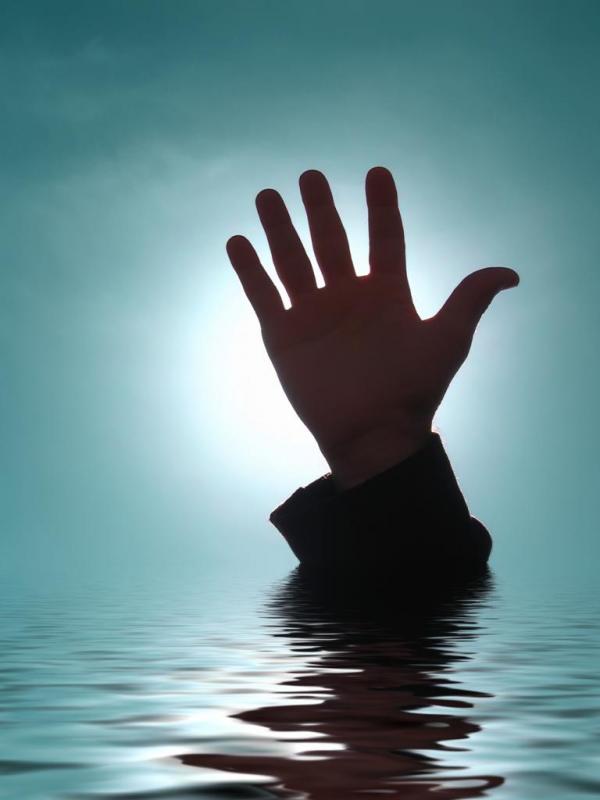
Q. Is it possible to survive drowning?
A. Yes
Quick rescue and early resuscitation are the most critical factors associated with better outcomes.
Orlowski score predicts likelihood of surviving neurologically intact. Best chance of survival is with two or fewer of the following characteristics:
Three or more of those characteristics, chance of survival is only 5%.
Q. Is there a difference between drowning in warm water and drowning in cold water?
A. Yes, when a person dives into cold water (below 70°F or 21°C) the mammalian diving reflex may drastically slow down metabolism and make the patient more likely to be resuscitated, even after prolonged submersion.
Here’s how it works:
Face submerged in cold water, larynx spasms, breathing is inhibited, heart rate slows, blood vessels throughout most of body constrict. Blood flow to heart and brain is maintained so oxygen is sent and used only where it is needed to immediately sustain life.
In other words, the colder the water, the more oxygen goes to the heart and brain.

911 Dispatch Experience
So I sat with Weld County’s 911 Dispatch center and I truly enjoyed it. It was a whole new world to me.
I think we as citizens take 911 dispatchers for granted sometimes. I was floored when I saw what exactly they are doing when you call them.
The multitasking they do alone is an amazing art.
The picture above is similar to what I saw. All those computer screens are in use at once while taking calls! Notice the three mice, there are also foot pedals below the desk so the dispatcher can continue to communicate over the radio and still be hands free to input information.
I was able to witness the stress level’s they feel with stressful calls and I could feel the somewhat ‘helpless’ feeling by not being able to be there personally with the patient. The coaching and reassurance they give over the phones lines though is truly touching.
I heard multiple calls, most of which were pretty uneventful. However, the dispatcher beside us took a suicide call of a teen girl who had shot herself. The father called in and was clearly distraught. I listened to how the dispatcher coached the father through dealing with such a stressful situation, this dispatcher did an amazing job.
I was able to read what was being said between dispatch and the paramedics that arrived on scene and several times “Patient is obviously dead” continued to read across the screen. Even though the dispatcher I was sitting with and I didn’t actually take this call, it has stuck with me ever since.
I can tell already children are going to be the hard calls for me. I just can’t stop thinking about this teen girl and what she must have been feeling before she decided to do what she did. I also think about her parent’s and how devastated they must be.
I am considering working for 911 Dispatch until I can find a position as an EMT. The training is one year long, training includes dispatching police, fire and EMS.
The following videos are random calls I found, just so you can hear a sample of the type of calls that come in and how they are handled.
(dispatcher did a good job at keeping her cool, keeping your cool with even the craziest patient’s is a must)
(This is a chilling call. Near the end you can hear the wounded teens moaning)

